120dB Wireless Siren: Indoor/Outdoor, Battery + Solar
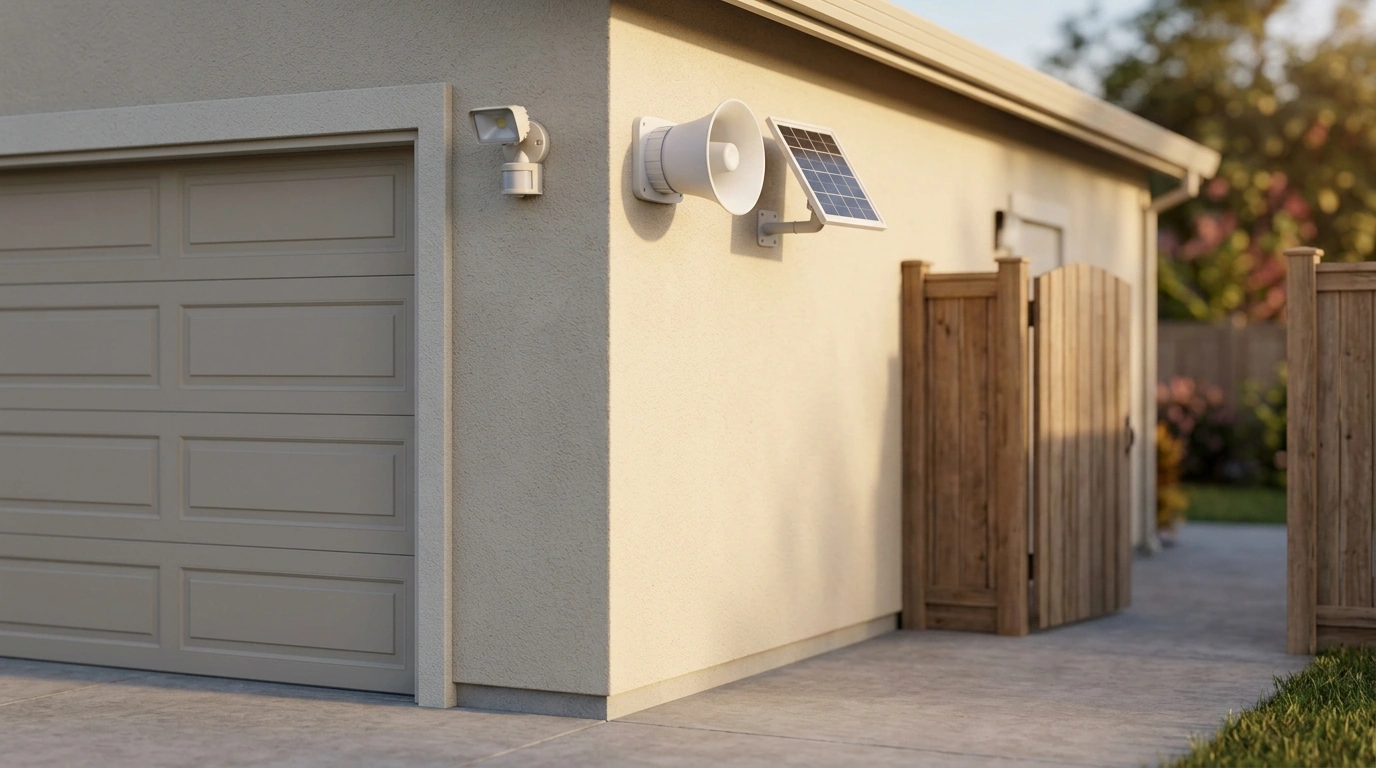
120dB Wireless Siren Alarm for Indoor or Outdoor Use with Battery Backup and Solar Option
A loud, reliable siren can be the difference between a near-miss and a break-in. This 120dB wireless siren is built for flexible placement indoors or outdoors, with power options designed to keep it working during outages. Below is a practical breakdown of how it fits into a security setup, where placement matters most, and when the solar option is worth choosing.
What This Siren Does in a Home Security Setup
A siren is the “attention layer” of a security system. Sensors and cameras can detect and record, but an audible alarm is what pressures an intruder to leave and alerts people nearby to take action.
- Produces a high-decibel audible alert intended to draw attention and deter unwanted entry.
- Wireless design supports placement at entry points, garages, sheds, gates, or interior hallways without running signal cables.
- Battery backup helps maintain operation during power interruptions and tampering attempts that cut main power.
- Outdoor-capable placement is useful for perimeter warning, while indoor placement helps alert occupants quickly.
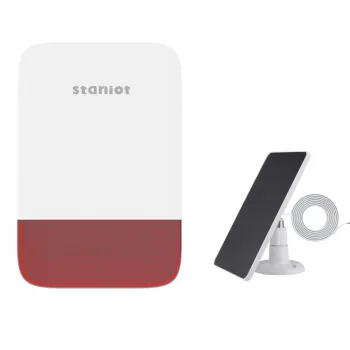
If you’re building out a system, the siren is often most effective when paired with motion/door sensors and (where allowed) visible deterrents like lighting and signage. For the siren itself, start with a dependable, high-output unit such as the 120dB Wireless Indoor/Outdoor Siren Alarm with Battery Backup & Solar Option.
Key Features at a Glance
This style of siren focuses on output, placement flexibility, and resilience—especially when power isn’t guaranteed.
- 120dB siren output for strong audible coverage (per product listing).
- Indoor/outdoor placement flexibility for home, small business, workshop, or outbuilding use.
- Battery backup support for resilience during outages.
- Optional solar charging approach for locations where running power is inconvenient.
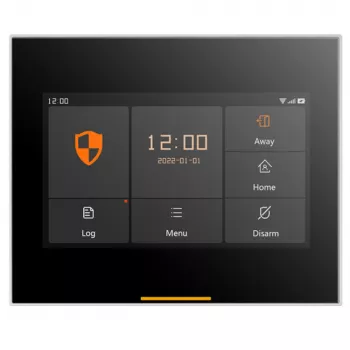
- Wireless connectivity intended for pairing with compatible alarm triggers/controllers (confirm compatibility before purchase).
Feature Summary
| Feature | Why it matters | Best use cases |
|---|---|---|
| 120dB siren | Improves the chance of being heard across rooms or outside | Driveway/yard alerts, garages, large rooms |
| Wireless design | Reduces installation complexity and supports flexible placement | Rentals, detached buildings, quick upgrades |
| Battery backup | Continues working if power is lost or cut | Storm-prone areas, power-outage resilience |
| Solar option | Helps maintain charge where outlets are limited | Gates, sheds, perimeter walls, barns |
Where to Install for the Most Impact
Placement makes a measurable difference. A 120dB siren can still sound “small” if it’s mounted where walls, corners, or overhangs absorb the output.
- Place outdoors high enough to be difficult to reach, but not so high that sound is blocked by eaves or walls.
- Aim the siren opening away from surfaces that can muffle sound (tight corners, thick foliage).
- For indoor use, a central hallway or stairwell improves audibility across bedrooms and common areas.
- For detached garages or sheds, mount near the primary door to maximize deterrence at the entry point.
- Consider neighbors and local noise ordinances; deterrence works best when placement is purposeful rather than disruptive.
Practical tip: before you drill anything, hold the siren in the intended spot, trigger a test, and walk your property. Listen at bedrooms, the street, and common approach paths (driveway/side gate). Small angle changes can noticeably improve the “carry” of the sound.
Power Options: Battery Backup vs. Solar Support
Power resilience is the difference between an alarm that’s present and an alarm that’s dependable. Battery backup should be treated as the baseline; solar support is an upgrade for the right locations.
- Battery backup is the core resilience feature, helping the siren remain functional when the main supply is interrupted.
- Solar support can reduce the need for frequent battery maintenance in sunny placements, particularly on perimeter structures.
- Shaded locations (under heavy trees, north-facing walls, covered porches) may limit solar effectiveness and should rely on battery planning.
- For harsh weather zones, ensure mounting and cable routing (if used) limit water intrusion and UV exposure.
Outage planning matters even if your neighborhood “rarely” loses power. The National Weather Service’s preparedness guidance on power outages is a useful reminder that storms and grid events can last longer than expected—especially when multiple homes are impacted at once.
Compatibility and Signal Considerations
Wireless makes installation easier, but it also means performance depends on pairing method and signal quality at the mount point.
Installation and Daily Use Checklist
Because 120dB is extremely loud, take hearing safety seriously during testing. The CDC/NIOSH overview of noise exposure and hearing protection is a helpful reference—especially if you’re testing indoors or at close range.
When a 120dB Siren Makes Sense (and When It Doesn’t)
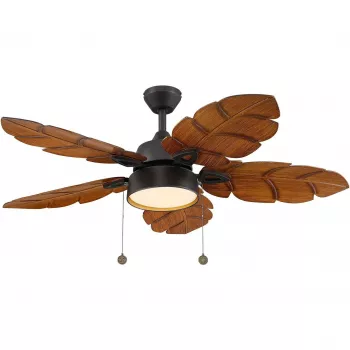
For homes that also prioritize comfort and visibility during long storm seasons, practical add-ons can help round out a preparedness plan. A low-profile ceiling fan with integrated lighting like the 26.7in Bladeless Ceiling Fan with Light and Remote, Low Profile Modern Fandelier can improve airflow and lighting in key areas, while a reliable timepiece like the Elegant Women’s Quartz Watch with Sapphire Crystal & Luminous Dial makes it easier to keep a consistent monthly test schedule.
FAQ
How loud is 120dB in real-world terms?
120dB is extremely loud and designed to be attention-grabbing, often comparable to close-range emergency sirens or very loud amplified sound. Perceived loudness depends on distance, walls, and outdoor conditions, so test placement carefully and avoid close-range exposure during checks.
Will the solar option work in shaded areas or winter months?
Solar charging depends heavily on direct sunlight, so shaded mounting spots can reduce how much the battery tops off. In winter or low-sun periods, performance may drop, which is why battery backup remains important even when solar support is available.
Can this siren be used without an alarm hub?
Wireless sirens typically require a compatible trigger/controller, hub, or paired sensor system to activate. Confirm the pairing method and compatibility details before purchase to ensure it will work with your existing setup.








Leave a comment