448KHz RF Skin Tightening: At-Home Firming Routine
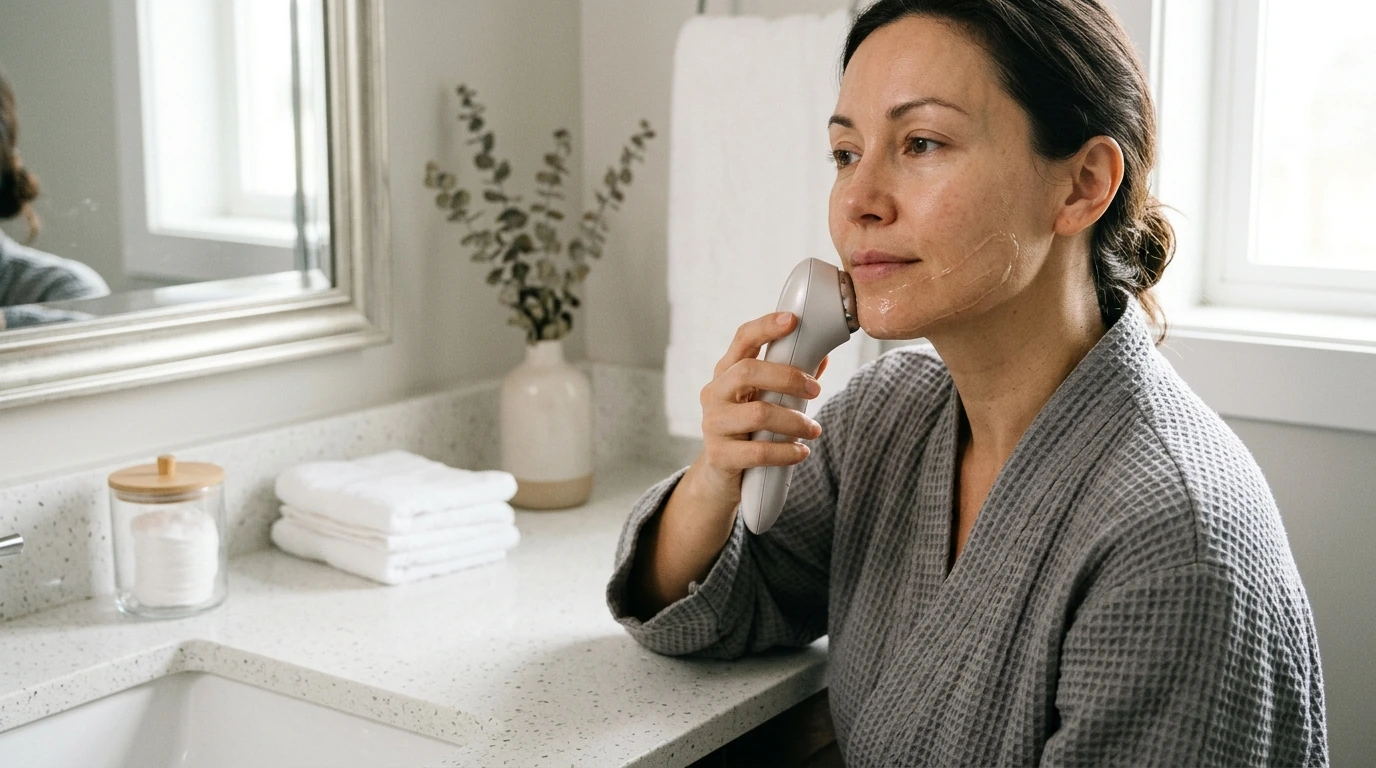
448KHz RF Skin Tightening & Anti-Wrinkle Device: At-Home Firming Routine Guide
Radiofrequency (RF) devices are used to deliver controlled warmth to the skin to support a firmer look and smoother-looking texture over time. A 448KHz RF skin tightening and anti-wrinkle device is designed for at-home routines that focus on gradual, consistent results, with comfort and safety as the priority.
What a 448KHz RF device is designed to do
A 448KHz RF skin tightening device supports a “firmer-looking” routine by delivering gentle, controlled heat to targeted areas. While each model has its own settings and treatment head design, at-home RF generally centers on steady, repeatable sessions rather than one-and-done changes.
- Delivers RF energy that gently warms targeted areas to support the appearance of tighter, more lifted-looking skin
- Helps improve the look of fine lines by supporting a plumper, smoother-looking surface over time
- Commonly used on face, neck, and other areas depending on device guidance
- Works best as a routine: results tend to be incremental rather than instant
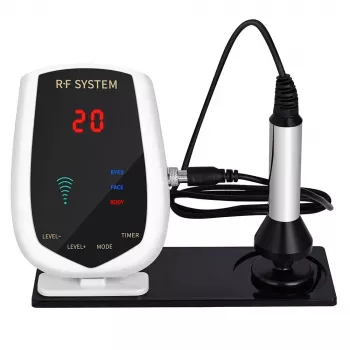
If you’re building an at-home routine around consistent sessions, the 448KHz RF Skin Tightening & Anti-Wrinkle Device is designed specifically for that kind of gradual, schedule-friendly use.
How RF supports firmer-looking skin
RF is commonly discussed in the context of cosmetic skin tightening because controlled heat can support collagen- and elastin-related processes. Collagen basics are widely covered by medical authorities such as the American Academy of Dermatology Association and the Mayo Clinic. For a broader research overview on RF approaches, reviews can be found via PubMed.
- Short-term effect: some users notice a temporary “refreshed” look after warmth and mild, transient puffiness
- Long-term goal: consistent sessions may help improve the look of laxity and wrinkles over several weeks
- Comfort matters: slow passes, adequate glide, and appropriate intensity help keep treatments tolerable
At-home RF should feel warm and steady, not sharp or stingy. A good rule is to prioritize even coverage over “chasing heat” by pressing harder or staying in one spot.
Who typically considers an at-home RF tightening routine
At-home RF is often chosen by people who want a structured routine without injections or surgery. It tends to fit best for mild, early-to-moderate concerns where subtle improvement is the goal.
- People noticing early signs of skin laxity (jawline softness, mild cheek sagging, neck texture changes)
- Those wanting a non-injectable, non-surgical routine that can be done on a schedule
- Anyone looking to complement a basic skincare routine focused on hydration, sun protection, and gentle actives
- Not ideal for every skin condition; a medical professional can help decide if RF is appropriate
Step-by-step: a practical at-home session flow
For most at-home RF devices, technique and consistency matter more than high intensity. Use the manual for your exact timing, settings, and approved glide products.
1) Prep
- Cleanse thoroughly and remove makeup, sunscreen, and oils so the device can glide evenly.
- Pat skin dry before applying your conductive gel (or the recommended glide medium).
2) Apply glide medium
- Apply a conductive gel or the recommended glide medium so the head moves smoothly and heat distributes more evenly.
- Avoid facial oils right before RF if they make the head “grab” or skip on the skin.
3) Treatment technique
- Keep the device moving in slow, overlapping passes; avoid holding it in one spot.
- Use gentle, consistent contact—pressure is not the goal.
4) Intensity and pacing
- Start low and increase gradually across sessions as comfort allows.
- If an area gets too warm, reduce intensity or move to a different zone and come back later.
5) Finish
- Wipe off gel, apply a soothing moisturizer, and use daily sunscreen (especially if treating the face/neck).
- Keep the rest of your routine calm for the day if you’re prone to redness.
| Area | Typical session time | Frequency to start | Notes |
|---|---|---|---|
| Cheeks | 5–8 minutes | 2–3x/week | Use slow upward strokes; avoid treating directly over active breakouts |
| Jawline | 3–6 minutes | 2–3x/week | Maintain movement; focus on even coverage rather than pressure |
| Neck | 3–5 minutes | 1–2x/week | Use lighter intensity; avoid the front of the throat/thyroid area |
| Forehead | 2–4 minutes | 1–2x/week | Keep away from the eye area; use gentle settings |
Safety checkpoints and when to skip a session
What results can look like (and realistic timelines)
How to pair RF with skincare without overdoing it
Small routine details can make sessions more comfortable—like treating in a cool, well-ventilated room. If you prefer airflow while you do your skincare steps, a quiet comfort upgrade like the 26.7in Bladeless Ceiling Fan with Light and Remote, Low Profile Modern Fandelier can help keep the environment steady and less “stuffy” during longer routines.
Device care and routine upkeep
FAQ
How often should an at-home RF skin tightening device be used?
Many at-home routines start around 1–3 times per week, then adjust based on comfort and the device manual. Steady use over several weeks typically matters more than using the highest intensity.
Can RF be used on the neck and jawline?
Many routines target the jawline and parts of the neck, but the front of the throat/thyroid area should be avoided. Use lighter settings, keep the head moving, and follow your device’s instructions for safe placement.
What should be applied before using an RF tightening device?
Use a conductive gel or an approved glide medium so the device moves smoothly and heat spreads more evenly. Cleanse first, and avoid products that cause dragging or skipping during passes.









Leave a comment