Confident Kids Bundle: Emotional Strength Tools for Ages 3–5
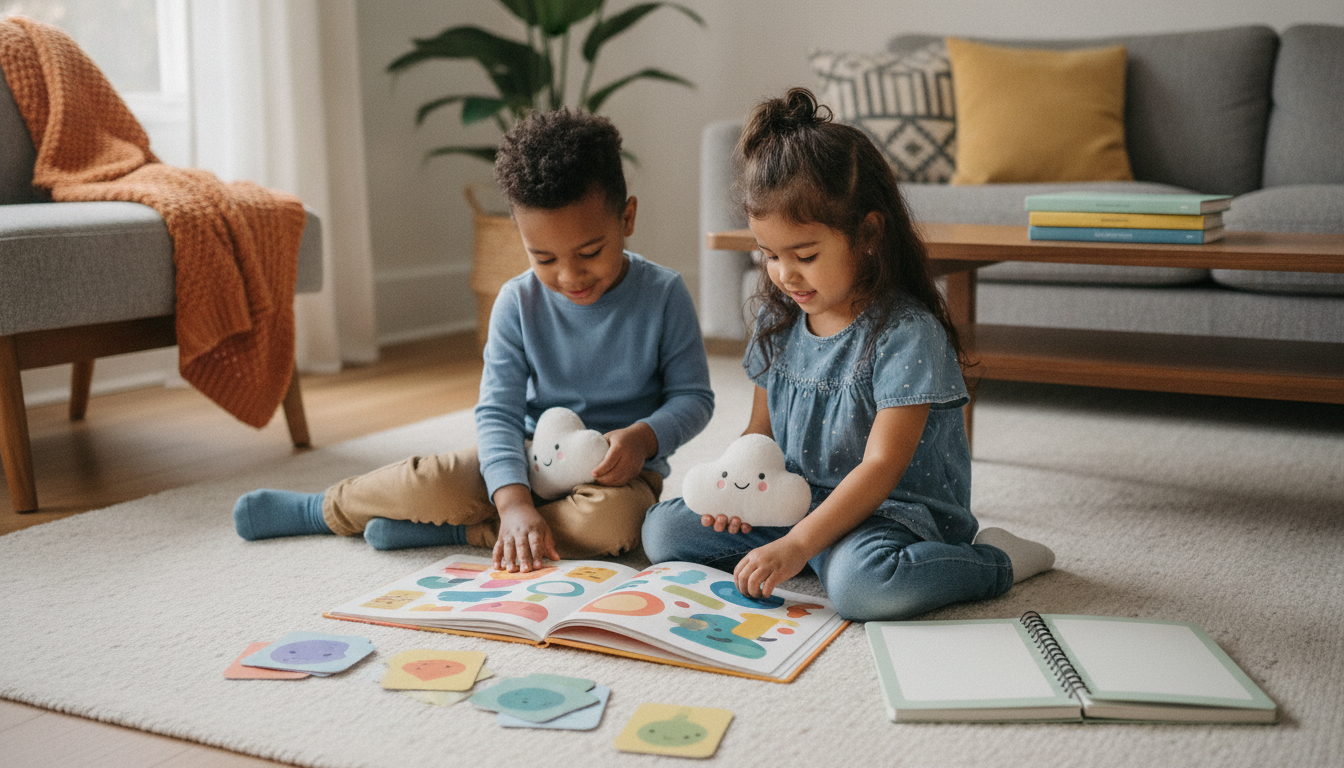
Confident Kids Bundle: Nurturing Emotional Strength for Ages 3–5
Big feelings, new social situations, and growing independence can be a lot for preschoolers. A simple, repeatable set of tools helps children name emotions, practice coping skills, and build self-esteem through everyday routines. Emotional strength at ages 3–5 isn’t about never melting down—it’s about learning what feelings mean, what helps the body calm, and how to try again after a hard moment.
This guide breaks down what healthy social-emotional growth often looks like for preschoolers and how a practical 3-in-1 toolkit can turn short moments at home into confidence-building practice. For general milestones and guidance, resources from the CDC and the American Academy of Pediatrics offer helpful context on preschool development.
What Emotional Strength Looks Like in Ages 3–5
Preschoolers are practicing new skills fast—often faster than their ability to manage frustration. That gap is normal, and it’s where supportive routines help most.
- Common milestones: identifying basic emotions (happy, sad, mad, scared), beginning empathy, taking turns, and recovering after small setbacks.
- Signs confidence is building: trying again after mistakes, asking for help, using words for feelings, and tolerating small frustrations (like waiting briefly or hearing “not right now”).
- Normal challenges: tantrums, separation worries, rigid routines, and big reactions to “no” or to unexpected changes.
- Why consistency beats long lessons: short, repeated practice in calm moments builds skills that show up during hard moments.
What’s Inside the Confident Kids Bundle (3-in-1)
The Confident Kids Bundle: Nurturing Emotional Strength (3-in-1) is built for real life: brief transitions, short attention spans, and the “it was fine until it wasn’t” nature of preschool emotions.
- Parenting guide: practical language to use, simple routines, and ways to respond without shaming or escalating.
- Self-esteem activities (ages 3–5): play-based exercises that fit 10–15 minute pockets and create “I can do it” experiences.
- Emotional intelligence checklist: a quick way to notice progress and patterns without turning emotions into a test.
- Designed for daily use: morning transitions, after-school decompression, bedtime wind-down, and even public outings.
Bundle components and how they help
| Bundle piece | Primary goal | Best time to use | Example outcome to look for |
|---|---|---|---|
| Parenting guide | Supportive responses and routines | Transitions and tough moments | Child calms faster with fewer power struggles |
| Self-esteem activities (ages 3–5) | Confidence through play and mastery | Short play sessions (10–15 min) | Child attempts new tasks with less fear of failure |
| Emotional intelligence checklist | Track growth and triggers | Weekly review | Parent spots patterns (e.g., hunger, fatigue) and plans ahead |
How to Use the Bundle Without Overwhelm
Preschool emotional skills grow from repetition, not perfection. The simplest plan is the one that actually happens.
- Start small: choose one routine (bedtime or morning) and one activity for the first week.
- Use “name it to tame it” language: label feelings, validate, then guide to a coping choice (“You’re mad. Mad is okay. Let’s stomp 3 times or take 3 breaths.”).
- Keep activities predictable: same time, same place, and the same 2–3 options to reduce decision fatigue.
- Focus on process praise: highlight effort and strategies (“You tried again,” “You asked for help”) rather than traits (“You’re so smart”).
- Use the checklist as a compass: note what helps and what escalates, then adjust routines instead of “scoring” the child.
Self-Esteem Activities That Work Well for Preschoolers
Confidence grows when kids experience themselves as capable—especially in tiny, repeatable ways. These are preschool-friendly options that pair well with the bundle’s routines.
Building Emotional Intelligence at Home: A Simple Weekly Rhythm
Predictable practice works because it removes pressure. It also aligns well with widely used social-emotional learning competencies such as those described by CASEL: self-awareness, self-management, and relationship skills.
Who This Bundle Is Best For
Common Pitfalls and Quick Fixes
Product Snapshot
A practical set for building emotional vocabulary, confidence, and coping skills through repeatable routines. Find it here: Confident Kids Bundle: Nurturing Emotional Strength (3-in-1).
If calming routines are part of your home setup, a comfort-focused environment can also support wind-down time for the whole family. Two additional in-stock items sometimes used to simplify routines include the 26.7in Bladeless Ceiling Fan with Light and Remote for a quieter-feeling space and the 9-Cup Food Processor with 600W Motor to streamline snack and meal prep during busy weeks.
FAQ
How long does it take to notice changes in confidence and emotional regulation?
Most families notice early signs within 4–6 weeks of consistent practice, such as quicker calming, more feeling words, and fewer power struggles during transitions. Weekly checklist notes can make small improvements easier to spot.
What if a child refuses the activities or won’t talk about feelings?
Start through play (toys, drawings, or role-play), keep sessions short, and offer two simple choices rather than pushing a discussion. Modeling feelings out loud during calm moments often opens the door without pressure.
Is this appropriate for sensitive or anxious preschoolers?
Yes—predictable routines, gentle “brave steps,” and validating language are often especially helpful for anxious kids. Go at the child’s pace, and consult a pediatric professional if worries are intense, long-lasting, or interfering with daily life.












Leave a comment