100W Cordless Hand Mixer: Turbo Boost & Variable Speeds
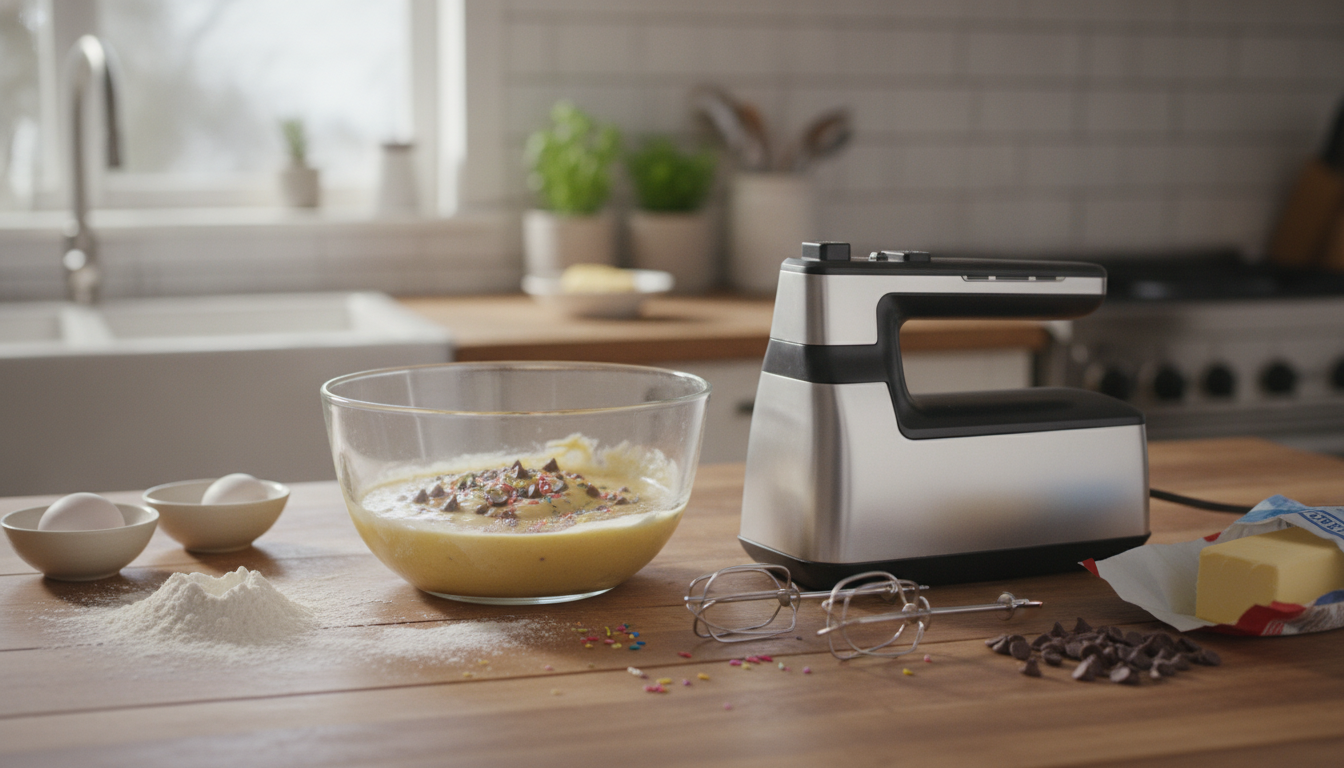
100W Cordless Electric Hand Mixer with Turbo Boost & Variable Speed: Everyday Mixing Without the Cord
A cordless hand mixer can make quick work of batters, whipped toppings, and sauces while keeping counters clear of cords and crowded outlets. A 100W cordless mixer with variable speeds and a turbo boost is built for the kinds of mixing that come up most often—breakfast batters, quick desserts, light frostings, and weeknight cooking—without committing you to a bulky stand mixer setup.
What Makes a Cordless Hand Mixer Different
The biggest difference is simple: you’re not tied to one outlet or one spot on the counter. A cordless mixer lets you move from island to stovetop to table with the same tool, which is especially helpful when you’re finishing a sauce near heat or whipping a topping right before serving.
- Freedom of movement: mix at the stove, kitchen island, or dining table without hunting for an outlet.
- Cleaner workflow: fewer cords around bowls, hot pans, and sink edges.
- Best-fit tasks: light-to-medium mixing like pancake batter, cake batter, soft cookie dough, whipped cream, eggs, frosting, and emulsions.
- Realistic expectations: cordless mixers are generally optimized for convenience rather than heavy bread dough.
If you regularly knead stiff doughs or mix very thick cookie doughs in big batches, you’ll usually get better results from a stronger countertop machine. For everything else, cordless convenience can be the difference between making the recipe now or putting it off.
Key Features That Matter: 100W Power, Variable Speed, Turbo Boost
A 100W motor is designed for everyday mixing jobs—think consistent power for batters, creams, eggs, and quick frostings. Instead of “maximum muscle,” it’s about controlled performance that’s easy to manage in a bowl without slinging ingredients everywhere.
- 100W motor: supports common daily mixing tasks with steady output.
- Variable speed control: start slow to avoid flour clouds, then increase speed to incorporate and aerate.
- Turbo boost: short bursts of extra power for thickening, smoothing, or finishing.
- Cordless design considerations: balanced weight and a comfortable grip matter when you’re mixing for more than a minute or two.
Speed and Turbo Boost: Practical Use Guide
| Control setting | Best for | Tips for smoother results |
|---|---|---|
| Low (start) | Flour + wet ingredients, cocoa, powdered sugar, dry spice blends | Keep beaters submerged; pulse briefly until dry ingredients are moistened |
| Medium | Cake batter, pancake batter, mashed soft ingredients, light frostings | Scrape bowl sides once; mix just until combined to avoid toughness |
| High | Whipping cream, egg whites (small batches), smoothing frosting | Use a deep bowl; stop when peaks form to prevent over-whipping |
| Turbo boost (short bursts) | Finishing thick mixtures, quick smoothing, last-second incorporation | Use 1–3 second bursts; pause to check texture to prevent overmixing |
Where This Mixer Shines in Daily Cooking and Baking
A cordless hand mixer is at its best when you want speed and control without pulling out bigger equipment. It’s a practical middle ground between whisking by hand and hauling out a stand mixer.
- Weeknight convenience: quick sauces, scrambled eggs, and instant pudding without extra setup.
- Baking wins: cupcakes, muffins, quick breads, brownies, and frosting where “mix just enough” matters.
- Entertaining: whip cream and toppings at the table for desserts and hot drinks.
- Small kitchens and dorm-style setups: cordless mixing helps when outlets are limited.
For technique help with whipping and mixing (like understanding soft peaks vs. stiff peaks), King Arthur Baking’s guides are a reliable reference: https://www.kingarthurbaking.com/learn/guides.
How to Get Better Results (and Avoid Common Mistakes)
Most “hand mixer problems” come down to speed choice and bowl setup. A few small habits make results noticeably smoother and more consistent.
Cleaning and Care for Long-Term Performance
If you’re mixing dairy-based toppings or egg mixtures ahead of time, follow safe refrigeration practices and time limits. The USDA cold storage guidance is a helpful baseline: https://www.fsis.usda.gov/food-safety/safe-food-handling-and-preparation/food-safety-basics/refrigeration-and-food-safety.
Quick Spec Snapshot and What It Means
At-a-Glance: Fit for Common Kitchen Tasks
| Task | Fit | Notes |
|---|---|---|
| Whipped cream / soft peaks | Great | Use high speed; stop at peaks to avoid buttering |
| Pancake / waffle batter | Great | Low start prevents lumps and splatter |
| Cupcake / muffin batter | Great | Mix just until combined for a tender crumb |
| Cookie dough (soft) | Good | Chill dough if it gets too soft; avoid forcing thick mixtures |
| Bread dough (stiff) | Limited | Consider a food processor with dough capability or a stand mixer |
Product Option in Stock
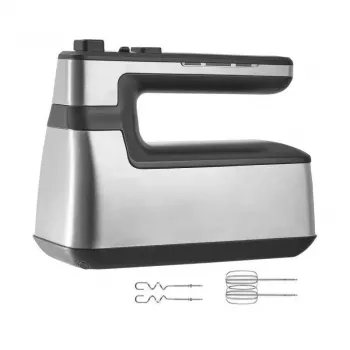
If cordless convenience is the goal, this option is designed for controlled starts, flexible speeds, and quick finishing bursts: 100W Cordless Electric Hand Mixer with Turbo Boost & Variable Speed ($64.82).
Complementary Kitchen Tool for Heavier Prep
When recipes shift from mixing to chopping, shredding, slicing, or dough-style kneading, a processor can take over the heavier workload: 9-Cup Food Processor with 600W Motor – Chops, Slices, Shreds & Kneads ($70.51).
FAQ
Is a 100W cordless hand mixer strong enough for cookie dough?
It works well for soft to medium cookie doughs, especially in smaller batches. For very stiff dough, mix in short intervals and avoid forcing the beaters through thick spots to reduce strain on the motor.
When should turbo boost be used instead of a higher speed setting?
Use turbo boost as a brief finisher—1 to 3 seconds at a time—to smooth or fully incorporate a mixture right at the end. Continuous turbo use can lead to overmixing or splatter, especially in lighter batters.
How can splatter be reduced when using a hand mixer?
Start on low speed, keep the beaters submerged, and use a deeper bowl when possible. Add dry ingredients gradually and pause to scrape the bowl so you don’t need to “chase” pockets of flour at high speed.









Leave a comment