26.7in Bladeless Fandelier: Low-Profile Fan + Light

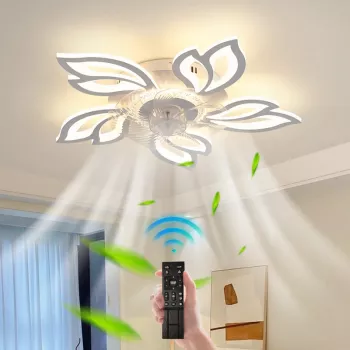
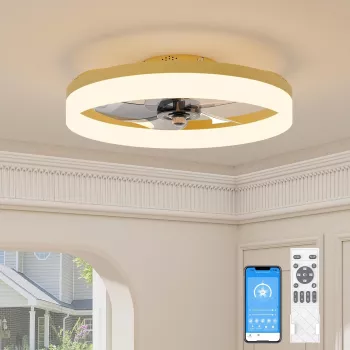
26.7in Bladeless Ceiling Fan with Light and Remote: Low-Profile Modern Fandelier Overview
A low-profile bladeless fandelier blends ceiling fan airflow with integrated lighting in a compact, modern form. This guide breaks down what to expect from a 26.7-inch bladeless ceiling fan with light and remote, how it fits different rooms, and the key details to check before installation—especially in spaces where headroom and a clean ceiling line matter.
What a bladeless fandelier is (and why people choose it)
A bladeless fandelier combines an enclosed fan system with a ceiling light, creating a streamlined look compared with traditional fans with exposed blades. Instead of wide blade spans dominating the room, the fan components are visually “contained,” so the fixture reads more like modern lighting with built-in air movement.
This style is often chosen for:
- Safety and peace of mind: Enclosed designs can feel more comfortable in homes with kids or pets where exposed blades are less desirable.
- A cleaner visual profile: The low-profile form suits rooms where a downrod would hang too low or look heavy.
- Easier routine cleaning: With fewer broad, exposed blade surfaces, many homeowners find dusting simpler (though you’ll still want to follow the manufacturer’s cleaning instructions for the diffuser and intake areas).
- Convenient daily control: Remote operation is common, allowing quick fan speed and light changes without touching wall wiring.
At-a-glance details
- Size: 26.7-inch class—often a strong fit for small to medium rooms depending on ceiling height and layout.
- Design: Modern fandelier styling with an enclosed/blade-hidden fan structure.
- Controls: Remote operation for everyday comfort and quick adjustments.
- Profile: Close-to-ceiling mounting to preserve headroom in compact spaces.
Quick specification checklist (confirm on the product page before purchase)
| Item to verify | Why it matters |
|---|---|
| Mounting style (flush/low-profile) | Ensures adequate clearance for low ceilings and bunk beds |
| Fan speed settings | More steps allow better comfort tuning across seasons |
| Light type and color temperature options | Affects ambiance for bedrooms vs. kitchens vs. offices |
| Dimmable support | Helps match brightness to time of day and reduces glare |
| Room size suitability | Prevents underpowered airflow or unnecessarily strong draft |
| Voltage and wiring requirements | Confirms compatibility with household electrical standards |
| Remote functions (timer, memory, reverse) | Adds convenience and year-round usability |
Comfort and performance expectations in real rooms
Bladeless ceiling fans don’t change the room’s temperature; they improve comfort by moving air across your skin. For a deeper overview of how ceiling fans support comfort and efficiency, see the U.S. Department of Energy’s guidance on ceiling fans.
- Bedrooms: The low-profile placement helps avoid the “fan too close to the bed” feeling, especially with 8-foot ceilings. Remote control also supports quieter nighttime tweaks—lower speed, dimmer light, or a sleep timer.
- Living rooms: Modern fandelier styling can act as a visual centerpiece while supporting everyday circulation. In open layouts, placement matters—center it where people sit most often to avoid dead zones.
- Home offices: Balanced airflow can reduce stuffiness without the visual distraction of visible blades. It’s a practical option when you want comfort during calls without a traditional fan dominating the background.
- Kitchens and dining nooks: Integrated light can support task lighting, but it’s worth confirming dimming and color temperature range so the space works for both food prep and relaxed meals.
- Hallways or entry areas: A compact diameter can work well where large blade spans look oversized, while still adding light and a subtle air-moving effect.
Light quality and how to plan placement
Because a fandelier is doing double duty, plan the light the way you would plan a primary ceiling fixture.
Remote control features that matter day to day
Installation, ceiling fit, and safety notes
Low-profile ceiling fans are popular in 8-foot rooms, but correct installation is still essential for safety and stable performance. The Electrical Safety Foundation International provides practical reminders on electrical safety, and Consumer Reports also offers helpful context in its ceiling fan buying guide.
Recommended in-stock picks
- 26.7in Bladeless Ceiling Fan with Light and Remote, Low Profile Modern Fandelier $102.47
- 9-Cup Food Processor with 600W Motor – Chops, Slices, Shreds & Kneads $70.51
- Elegant Women’s Quartz Watch with Sapphire Crystal & Luminous Dial $69.01
Who this style tends to suit best
FAQ
Does a bladeless ceiling fan cool a room the same way as a traditional fan?
Both styles work by moving air to increase comfort through evaporation and convective heat loss, not by lowering the room’s actual temperature. Real-world comfort depends on airflow output, speed settings, and your room layout rather than whether blades are exposed or enclosed.
Is a low-profile ceiling fan with light a good choice for 8-foot ceilings?
It can be a strong choice because a flush/low-profile mount preserves headroom compared with downrod designs. Confirm minimum clearance recommendations and use a properly secured, fan-rated electrical box for safe installation.
Can the light be dimmed and the fan run independently with the remote?
Many models support separate fan and light controls, but features vary by unit. Verify dimming support, dedicated buttons for fan vs. light, and whether the fixture remembers your preferred settings after power is switched off.








Leave a comment