Vibration Plate Guide: Pain Relief, Sleep & Fat Loss
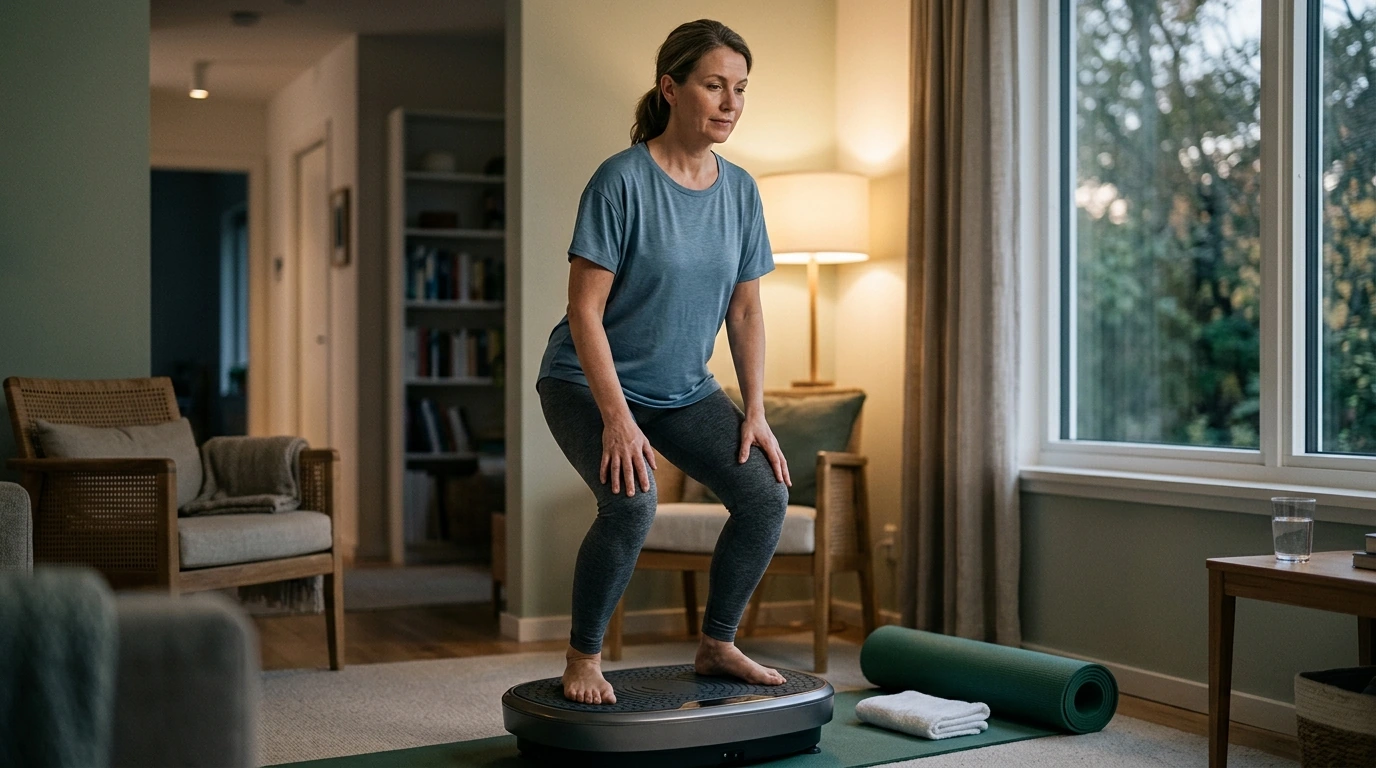
A vibration plate can add low-impact stimulus to common movements—standing, squats, calf raises, and stretching—by sending rapid oscillations through the feet and legs. Many people use this style of training to feel looser after long days, support recovery, build consistency with short sessions, and pair gentle evening mobility with a calmer bedtime routine. Results depend on safe settings, regular use, and pairing the machine with smart movement and lifestyle basics.
What a vibration plate does (and what it doesn’t)
A vibration plate creates whole-body vibration that encourages muscles to contract reflexively while you hold positions or perform controlled exercises. That “extra” stimulus is why short sessions can feel surprisingly challenging—even without heavy weights.
It’s also a popular option for low-impact training when jumping or running feels uncomfortable. Instead of pounding through your joints, you can work on posture, gentle strength, and mobility with your feet planted.
At the same time, a vibration plate works best as a complement, not a replacement. It can support strength training and walking, but it doesn’t replace progressive resistance exercise or the nutrition habits that drive most body-composition change.
Many people get the best results when they treat it as a consistency tool: short sessions that are easy to repeat several times per week, rather than occasional long workouts.
How vibration may support soreness and everyday aches
Gentle sessions often feel “loosening” because light movement plus vibration can promote muscle activation and circulation. The key is to stay relaxed, keep good posture, and choose positions that feel stable.
Common comfort-focused uses include calves, quads, hips, and feet after long periods of standing. Some people also feel indirect relief around the lower back area by improving stance, bracing the core lightly, and keeping the spine tall (rather than slumping).
Vibration tends to feel better when paired with mobility—like a hip hinge pattern, hamstring stretching, or ankle mobility—than when standing still. Small, controlled ranges of motion often beat big, bouncy movements.
Set expectations realistically: a vibration plate may help with temporary soreness and stiffness, but persistent, worsening, or sharp pain needs clinical evaluation. For people dealing with ongoing back discomfort, general exercise therapy is commonly recommended as part of care; evidence summaries can be found through the Cochrane Library.
Sleep support: building a calming evening routine around short sessions
Light vibration plus breath-led stretching can act as a transition cue—from “active” to “wind-down.” Done gently, it can help release the day’s tension and make a bedtime routine feel more consistent.
Keep intensity low in the evening. Strong stimulation close to bed can feel energizing for some people, especially if the session includes hard squat holds or planks.
Vibration works best when it’s part of a bigger sleep-friendly setup: lower lighting, reduced screen time, and a consistent bedtime. For broader sleep guidance, see the National Center for Complementary and Integrative Health (NCCIH) overview on sleep disorders.
Fat burning: where vibration fits (and where it doesn’t)
For fat loss, combine vibration workouts with a modest calorie deficit and daily steps. The plate is an accessory that can help you increase training volume without needing a full gym session. For context on how activity intensity affects calories, Harvard Health has practical estimates here: Calories burned in 30 minutes (activity estimates).
A practical 15-minute routine (beginner-friendly)
Warm-up (2 minutes)
Circuit (10 minutes)
Cool-down (3 minutes)
Session ideas by goal (adjust intensity to comfort and experience)
| Goal | Days per week | Time per session | Intensity guide | Notes |
|---|---|---|---|---|
| Daily stiffness relief | 4–6 | 6–12 min | Low to moderate | Focus on posture, gentle squats, and stretches; stop if symptoms worsen. |
| Wind-down and relaxation | 3–5 | 5–10 min | Low | Choose slow breathing and mobility; avoid high settings late at night if it feels stimulating. |
| Strength support | 3–4 | 10–15 min | Moderate | Pair with holds and controlled reps; keep knees tracking over toes and core braced. |
| Conditioning / fat-loss accessory | 3–5 | 12–20 min | Moderate (work-focused) | Use active intervals (squats, lunges, planks); keep rest short and maintain form. |
Safety and comfort checks before each session
Product spotlight: Vibration Plate Exercise Machine for Pain Relief, Sleep Aid & Fat Burning
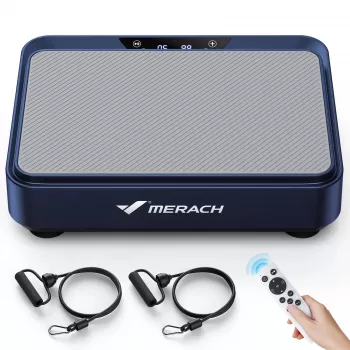
If the goal is to make short sessions easier to stick with, a simple at-home platform can remove friction. The Vibration Plate Exercise Machine for Pain Relief, Sleep Aid & Fat Burning is built for quick mobility work, light strength holds, and short conditioning intervals—especially for beginners who want a straightforward routine.
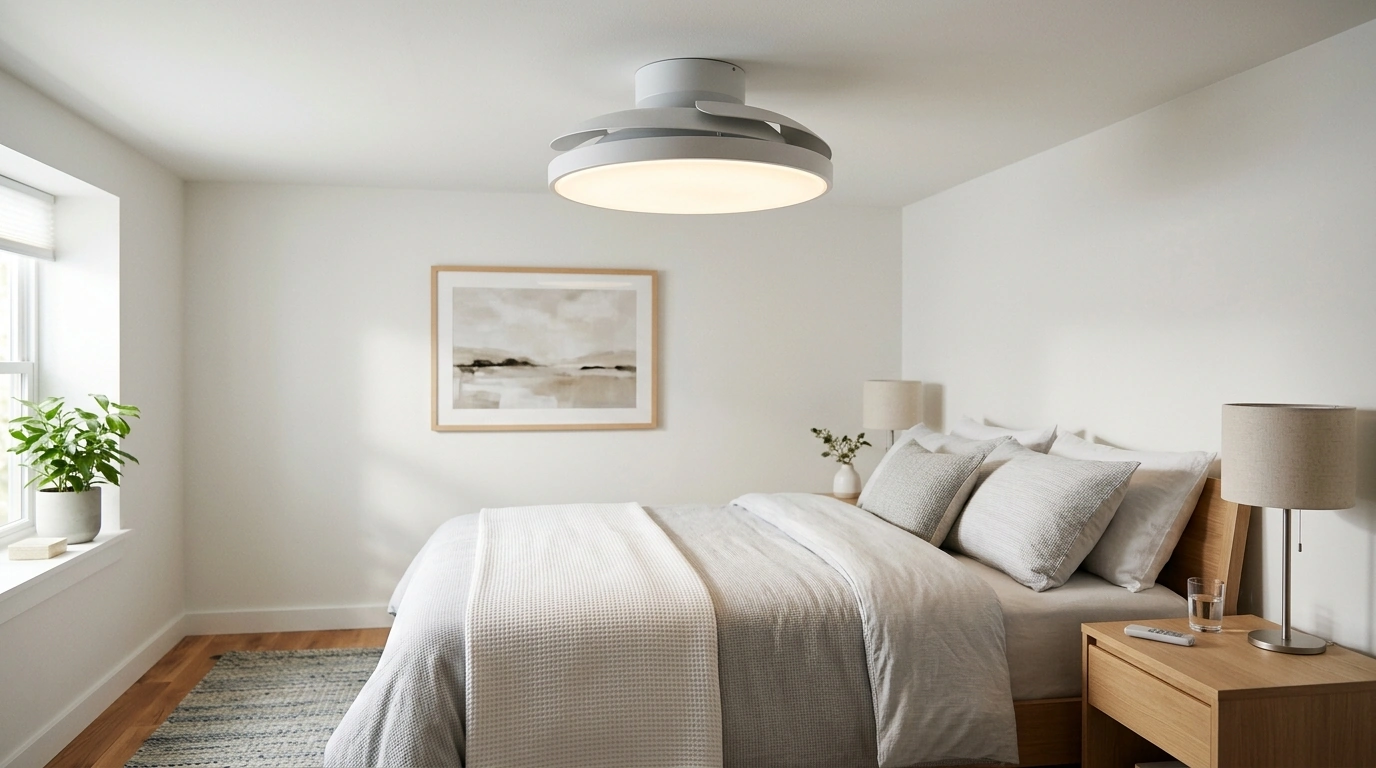
For a calmer sleep environment, airflow and room comfort matter too. Pairing an evening wind-down routine with a quieter-feeling setup—like the 26.7in Bladeless Ceiling Fan with Light and Remote, Low Profile Modern Fandelier—can help keep the bedroom cooler and more relaxing, especially if you tend to feel warm at night.
Common mistakes that slow progress
FAQ
How often should a vibration plate be used for comfort and recovery?
Start with 3–4 days per week for about 6–12 minutes at a low-to-moderate setting, focusing on posture and gentle movement. If it feels good and recovery remains steady, increase frequency gradually; stop if symptoms worsen.
Can a vibration plate help with weight loss on its own?
It’s best viewed as an accessory: meaningful fat loss usually requires active movements on the plate plus a modest calorie deficit and more daily walking. Passive standing alone typically isn’t enough to drive big changes.
Is it okay to use a vibration plate before bed?
Yes for many people, but keep it short and low intensity, ideally earlier in the evening. If higher settings make you feel energized, shift the session earlier or choose only gentle stretching and breathing.









Leave a comment