12.7mm Static Rope Guide: 32kN, Lengths, Safety
12.7mm Static Rope Basics: What “Static” Really Means
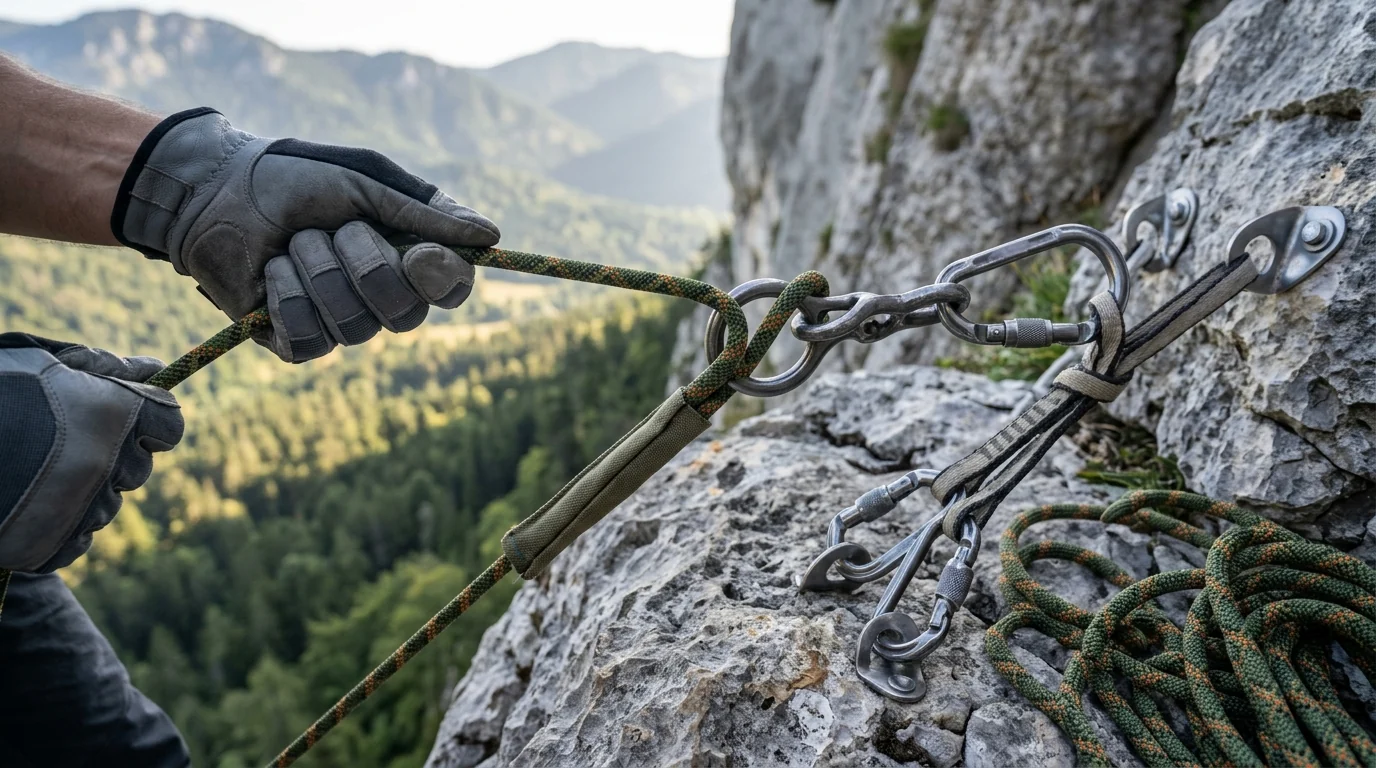
A static climbing rope is designed to keep stretch to a minimum under load. That low-elongation behavior is the whole point: it helps maintain controlled movement when you’re lowering, hauling, or staying positioned on a line. In practical outdoor use, “static” doesn’t mean “zero stretch”—it means the rope is built to feel stable and predictable when weighted. For more guidance, see Ropes | Science Behind the Sport | West Virginia University.
This also explains the biggest distinction from dynamic ropes. Dynamic ropes are engineered to elongate significantly during a lead fall to reduce peak impact forces. A static rope, by contrast, is not intended to repeatedly catch lead climbing falls, because higher peak forces can transfer to the climber, anchors, and hardware. For further reading, see Static Climbing & Rescue Rope, Orange, 37.8kN Strength, CE ….
At 12.7mm, you’re in a thicker, more robust diameter range. Many users like a thicker static rope because it can be easier to handle with gloves, often offers strong abrasion tolerance, and is commonly compatible with many descenders and progress-capture devices that support larger diameters (always verify your specific device’s rated rope range).
Strength Ratings Made Practical: Understanding 32kN
A 32kN rating is a laboratory breaking-strength figure measured under specific test conditions. Outdoors, real-world strength can be reduced by factors like knots, tight bends, edge contact, abrasion, moisture, grit, and heat from long rappels.
Knots are a major consideration. Many common knots can significantly reduce a rope’s breaking strength—sometimes dramatically—depending on the knot type, how tightly it’s set, and whether it’s properly dressed. For this reason, choose knots intentionally, tie them correctly, and keep bends as clean and appropriate as your system allows.
Also remember that any rope system is only as strong as its weakest component. Anchors, carabiners, slings, descenders, ascenders, and connectors must all be appropriately rated and used within their intended orientations.
Finally, static systems can generate high forces quickly. A short fall onto a static line, a sudden stop in a haul, or a shock load from slack can spike peak loads far more than people expect. Good rigging—minimizing slack, using backups, and avoiding edge hazards—matters as much as the rope’s headline strength number. For background on strength markings and connector ratings, see Rock Exotica’s overview: https://www.rockexotica.com/strength-ratings.
Quick reference: where 12.7mm static rope fits best
| Scenario | Why static helps | Key caution |
|---|---|---|
| Fixed-line rappel / descent | Predictable control with less bounce | Use devices rated for the rope diameter; avoid sharp edges and heat buildup |
| Hauling gear or packs | Efficient pull with minimal stretch loss | Use progress-capture and abrasion protection; avoid dynamic shock loads |
| Work positioning / tree work (line-dependent) | Stable positioning and reduced sway | Match to local standards and compatible hardware; inspect frequently |
| Rescue / lowering systems | Consistent handling under load | Redundant anchors, edge protection, clear communication, and competent rigging required |
Choosing the Right Length: 125ft vs 150ft vs 200ft
Rope length should be chosen around the real working distance: the height of a cliff or tree, where the anchor sits back from the edge, and whether you’re using a doubled rope (common for many rappel setups) or a single-strand system (common in certain fixed-line and rescue contexts). Those decisions can change the needed length dramatically.
Build in margin. Knots at anchors, stopper knots at the ends, and the rope consumed by device attachments all shorten usable length. Coming up short can turn a straightforward rappel into a serious hazard, so conservative planning is a safety feature, not an inconvenience.
Handling and Compatibility: Devices, Diameter, and Friction
Heat management is a real concern on long descents. Excess speed can build heat quickly at the device, potentially glazing the sheath. Use gloves, keep your descent controlled, and pause if needed to manage temperature. For practical inspection and care guidance, Petzl’s rope inspection resource is a solid reference: https://www.petzl.com/US/en/Sport/How-to-inspect-your-rope.
Outdoor Use Cases: Where a 12.7mm Static Rope Shines
Inspection, Care, and Retirement Guidelines
Safety Notes for Static Ropes
Product Overview: 12.7mm Static Climbing Rope – 125/150/200ft Outdoor Rope with 32kN Strength
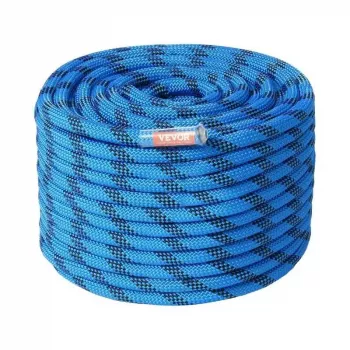
If you want a thick, glove-friendly static line for controlled descents, fixed-line tasks, and general outdoor utility, the 12.7mm Static Climbing Rope – 125/150/200ft Outdoor Rope with 32kN Strength is built around low-stretch handling and a lab-rated 32kN breaking strength. Choose 125ft, 150ft, or 200ft based on your maximum working height, your rigging style (single vs doubled), and the margin you prefer for knots and anchor distance.
More in-stock picks
- 26.7in Bladeless Ceiling Fan with Light and Remote, Low Profile Modern Fandelier
- 9-Cup Food Processor with 600W Motor – Chops, Slices, Shreds & Kneads
FAQ
Can a static rope be used for lead climbing?
No—static ropes are not designed to repeatedly catch lead falls. Dynamic ropes stretch to reduce impact forces, while static ropes are better suited to fixed lines, rappels, hauling, and positioning where minimal stretch is helpful.
How much does a knot reduce rope strength?
It depends on the knot, how it’s dressed and set, and how tight the bend radius is, but the reduction can be substantial. Choose appropriate knots for the job, tie them carefully, and remember the whole system (anchors and hardware included) must be rated and built correctly.
How do you choose between 125ft, 150ft, and 200ft?
Base it on your maximum drop or working height, whether you’ll be rappelling on a doubled rope or using a single-strand setup, and how much extra you want for knots and anchor distance. Longer ropes add flexibility but also weight and bulk, while shorter ropes are easier to carry and manage.








Leave a comment