Printable Pet Travel Checklist for Dogs & Cats
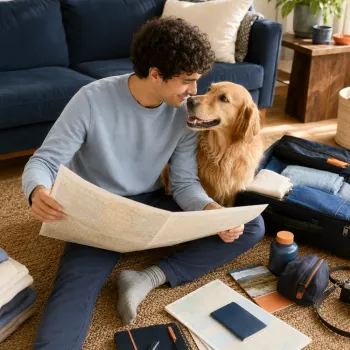
Pet Travel Essentials Checklist for Safe Trips (Printable Planner for Dogs & Cats)
Trips go smoother when pet needs are planned like human needs: safety, comfort, hydration, food, identification, and a backup plan for surprises. A printable checklist reduces last-minute forgetting—especially for early departures, multi-stop road trips, and pet-friendly vacations where rules and climates can change fast.
Before the trip: health, paperwork, and trip rules
- Confirm vaccinations and parasite prevention are current; ask a vet about motion sickness and anxiety support if needed.
- Pack copies/photos of vaccination records, microchip number, and recent pet photos (helpful if separated).
- Check destination and lodging rules: pet fees, size/breed limits, leash policies, quiet hours, and designated pet areas.
- For crossing state/country borders, verify any certificate or entry requirements well ahead of departure.
- Update ID tags with a current phone number; consider a temporary travel tag with the destination address.
For official guidance, review the American Veterinary Medical Association (AVMA) travel tips and the CDC’s traveling with pets resource. International trips can require additional steps; start early using USDA APHIS pet travel information.
Core packing list: daily care essentials
- Food for the full trip plus 1–2 extra days; store in an airtight container or resealable bags.
- Bottled or familiar water if your pet is sensitive to water changes; bring collapsible bowls for stops.
- Treats and chews for rewards, training, and calm focus during transitions.
- Waste supplies: poop bags for dogs; disposable litter pan or small tray liners for cats when needed.
- Grooming basics: brush/comb, pet wipes, towel, and a flea comb (useful after hikes or beach time).
- Comfort items: familiar blanket/bed and one favorite toy to reduce stress in new environments.
Essentials at a glance: what to pack and why
| Item | Why it matters | Quick tip |
|---|---|---|
| Food + extra day | Prevents stomach upset from sudden brand changes and covers delays | Portion into daily bags for easy feeding |
| Water + bowls | Supports hydration and reduces stress | Offer small amounts during stops to avoid nausea |
| Leash/harness + backup | Prevents escapes in unfamiliar areas | Pack a spare leash in the car door pocket |
| Crate/carrier | Safer transport and a familiar “den” at lodging | Add a worn T-shirt for a familiar scent |
| Medications | Maintains routines and avoids missed doses | Keep in original labeled containers |
| Cleanup supplies | Keeps car and lodging tidy; reduces odor | Bring enzyme cleaner for accidents |
Safety gear for road trips: car setup and stopping routine
- Use a crash-tested harness, secured crate, or carrier; avoid letting pets roam freely inside the car.
- Plan stops every 2–3 hours for dogs (or as needed) for water, potty, and a brief sniff/walk break.
- Never leave a pet alone in a parked car; heat can rise quickly even on mild days.
- Bring a seat cover or waterproof liner, plus an enzyme cleaner for quick accident cleanup.
- Keep windows only slightly cracked if needed; avoid fully open windows that risk escape or debris injury.
A simple “stop routine” helps: leash on before the door opens, offer a small drink, quick potty/walk, then back in with a treat. Consistency reduces bolting and keeps the trip calmer for everyone.
Air travel and long-distance travel: carrier, feeding, and timing
- Confirm airline pet policies: carrier size, in-cabin limits, fees, temperature embargoes, and required documents.
- Choose a well-ventilated carrier your pet can stand and turn around in; practice short sessions at home before travel day.
- Avoid large meals right before departure; follow vet guidance for feeding and hydration timing to reduce nausea.
- Attach ID and a travel label to the carrier; include a photo of your pet and contact info in a pocket.
- For layovers, research pet relief areas in advance and pack easy-access wipes and bags.
For cats, plan a “quiet carrier strategy”: cover part of the carrier with a breathable blanket, keep handling minimal, and set up a small litter option as soon as you arrive.
Lodging setup: making a temporary home feel safe
Emergency readiness: what to do if plans change
Printable planner: how to use the checklist without overpacking
Printable Pet Travel Essentials Checklist and Planner
If you want a ready-to-print plan that covers daily care, safety gear, paperwork, and emergency prep, use the Printable Pet Travel Essentials Checklist and Planner. It’s designed to be reprinted for each trip and used for both departure and the return journey—especially helpful when items get shuffled between car, hotel, and day bag.
Two optional “nice-to-have” tools that can make the human side of pet travel easier: an Elegant Women’s Quartz Watch with Sapphire Crystal & Luminous Dial for staying on schedule with medication and stop timing, and a 9-Cup Food Processor with 600W Motor if you prep pet-safe meal add-ins at home before you leave.
FAQ
What are the most important items to pack first for pet travel?
Pack ID (tags and records), a leash/harness or secure carrier, any medications, food and water supplies, and cleanup items first. Keeping these together in an easy-access bag prevents scrambling at rest stops and check-ins.
How often should dogs take breaks on a road trip?
A common routine is a stop every 2–3 hours for water and a potty break, with more frequent breaks for puppies, seniors, and hot weather. Short, consistent stops usually work better than long, irregular ones.
Is it safe to let a pet ride unrestrained in the car?
No—use a secured crate/carrier or a crash-tested harness to reduce injury risk in sudden stops and to limit driver distraction. Unrestrained pets can also bolt when a door opens in an unfamiliar place.











Leave a comment