10 Must-See U.S. National Parks: Fast Facts + Plan
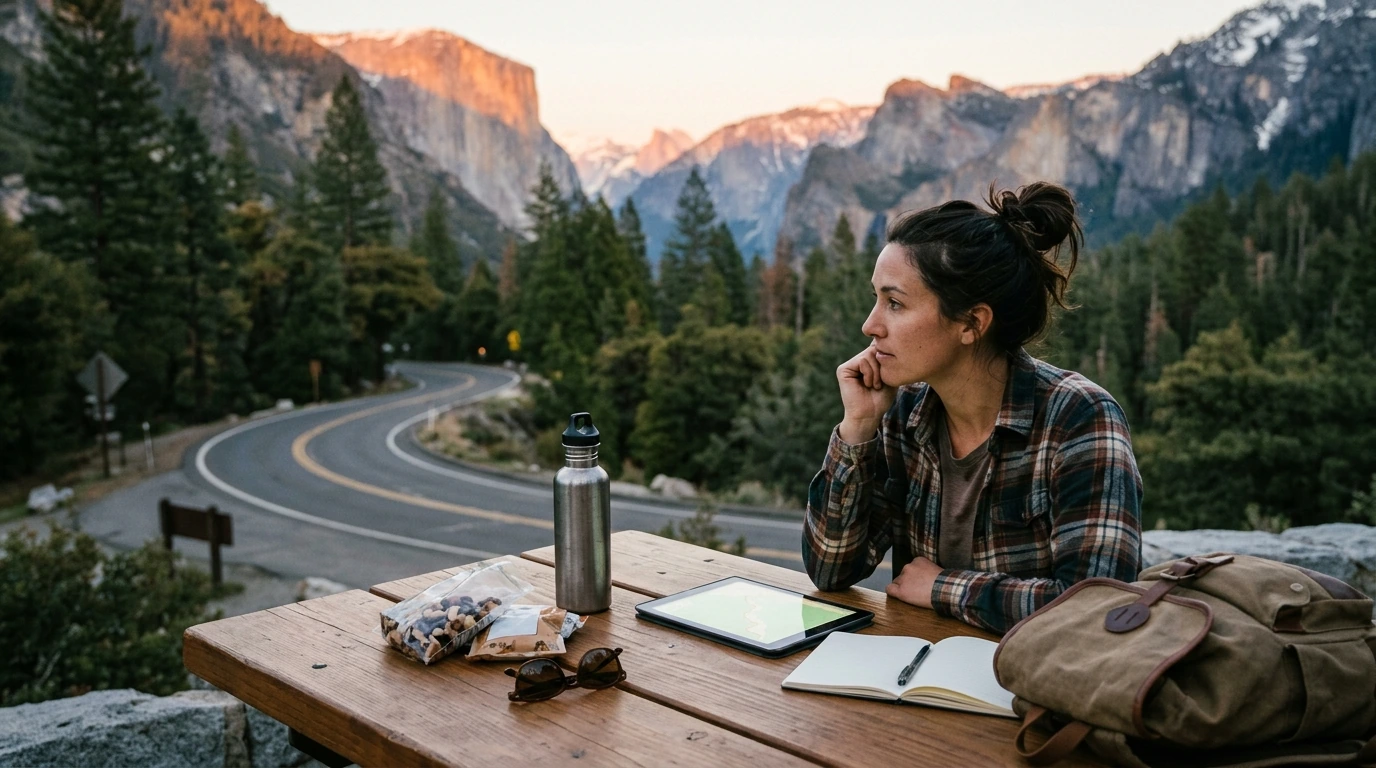
Top 10 Must-See U.S. National Parks: Fast Facts and a Simple Trip-Planning Game Plan
National parks trips get easier when the big decisions are handled early: which parks match the season, how many days to plan, what permits may be needed, and what the “can’t-miss” viewpoints and hikes look like on a realistic schedule. This guide rounds up ten iconic U.S. national parks with quick, practical fast facts and a planning framework that works for hikers, road-trippers, and first-time park visitors alike.
What Makes a Park “Must-See” (and How to Pick Yours)
- Match scenery to priorities: big vistas, waterfalls, wildlife, desert geology, alpine lakes, or geothermal features.
- Balance effort vs. reward: short scenic stops, moderate day hikes, or longer backcountry routes.
- Consider season and access: snow closures, monsoon storms, extreme heat, ferry schedules, and road construction windows.
- Plan around crowd patterns: shoulder seasons, early starts, and less-visited areas inside the same park.
- Check logistics early: timed-entry systems, shuttle routes, campground release dates, and popular trailhead quotas.
If you’re torn between multiple parks, pick a “core experience” you’ll remember most (a sunrise summit, a wildlife loop at dawn, a canyon hike, a lakeside picnic) and build the rest of the schedule around that single anchor.
Top 10 Parks Fast Facts at a Glance
Use the table as a shortlist tool: choose 2–3 parks with similar climates for one trip, or mix ecosystems for a longer loop. Always verify current conditions (roads, fires, closures) before finalizing dates via the National Park Service.
| National Park | Best time window (typical) | Signature experience | Crowd level (typical) | Good for |
|---|---|---|---|---|
| Grand Canyon | Mar–May, Sep–Nov | Rim viewpoints + below-the-rim hike | High | Scenery, day hikes, photography |
| Yellowstone | May–Jun, Sep | Geysers and wildlife watching | High | Families, wildlife, road-trip loops |
| Yosemite | Apr–Jun, Sep–Oct | Valley icons + high-country drives | Very high | Granite views, waterfalls, classic hikes |
| Zion | Mar–May, Sep–Nov | Canyon hikes and river walks | Very high | Adventure hikes, narrows, shuttle access |
| Bryce Canyon | May–Oct | Hoodoo overlooks + amphitheater hikes | Medium–high | Sunrise/sunset, moderate hikes |
| Arches | Mar–May, Sep–Nov | Arches at golden hour | High | Short trails, desert geology |
| Rocky Mountain | Jun–Sep | Alpine tundra drives + lakes | High | High-elevation hikes, wildlife |
| Great Smoky Mountains | Apr–May, Oct | Waterfalls + panoramic ridges | Very high | Road-trip stops, wildflowers, fall color |
| Glacier | Late Jun–Sep | Going-to-the-Sun Road + glacial valleys | High (short season) | Alpine scenery, longer hikes |
| Acadia | May–Jun, Sep | Coastal cliffs + carriage roads | High | Coastline, biking, sunrise |
A Quick Planning Blueprint (3 Decisions That Prevent Most Problems)
- Decide trip style: a “scenic sampler” (short trails + viewpoints) or “hiker-first” (early trailheads + fewer driving days).
- Lock the calendar anchors: number of nights, primary park(s), and the hardest-to-get item (campground, lodge, permits, timed entry).
- Sketch a daily rhythm: sunrise start, midday break, afternoon hike, sunset viewpoint—this cuts parking stress and improves wildlife viewing odds.
Add one flexible half-day as a buffer for weather and closures. In high-elevation parks, that buffer also helps with altitude adjustment; in desert parks, it creates space to avoid the hottest hours.
Permits, Timed Entry, and Reservations to Check Early
- Timed entry and vehicle reservations: some parks apply these seasonally; set reminders well ahead of travel dates.
- Camping and lodging: in-park campgrounds and lodges can sell out months in advance. Gateway towns can work well if you’re comfortable with earlier departures.
- Backcountry permits and high-demand hikes: some use lotteries or advance reservations; identify a “Plan B” trail with similar views.
- Shuttle systems: confirm first shuttle times, last pickups, and stops near your priority trailheads.
For reservations and many permits, start with Recreation.gov and cross-check details on the park’s official NPS page.
Day-by-Day Itinerary Ideas (Pick One Template)
2-day template (weekend win)
Make day one a scenic drive/viewpoint day plus one short hike. On day two, do your “big” hike or marquee area early, then finish with a sunset overlook close to the main road.
3-day template (most balanced)
5-day template (regional deep dive)
Multi-park template (smart clustering)
Packing and Safety Fast Facts for Parks
For a quick refresher on low-impact travel, review the principles from the Leave No Trace Center for Outdoor Ethics before you go.
Digital Guidebook Option for Fast Facts and Trip Notes
If you like having comparisons, checklists, and “what to do first” notes in one place (instead of juggling tabs), a compact digital guide can simplify the early planning stage. See: Top 10 Must-See U.S. National Parks + Fast Facts (Digital Travel Guide eBook).
Two other helpful trip-day add-ons: a reliable timekeeper for early trailhead starts like the Elegant Women’s Quartz Watch with Sapphire Crystal & Luminous Dial, and an easy way to prep road-trip snacks and trail lunches before you leave—such as the 9-Cup Food Processor with 600W Motor – Chops, Slices, Shreds & Kneads.
FAQ
Which national parks are best for a first-time trip?
Pick one with strong infrastructure and a mix of scenic drives plus short hikes, such as Yosemite Valley, Grand Canyon South Rim, or Acadia’s Park Loop Road. To make crowds easier, aim for shoulder season and start your days early.
How many days are enough for a national park visit?
Two days is usually enough for highlights, 3–4 days allows deeper exploration, and 5+ days is ideal for multiple regions or longer hikes. Driving inside parks often takes longer than expected due to speed limits, wildlife, and parking.
Do national parks require reservations or permits?
Some parks use timed entry, shuttle systems, and seasonal permit requirements for popular areas or backcountry trips. Check the official park site and Recreation.gov for current rules, release dates, and last-minute alerts.












Leave a comment